
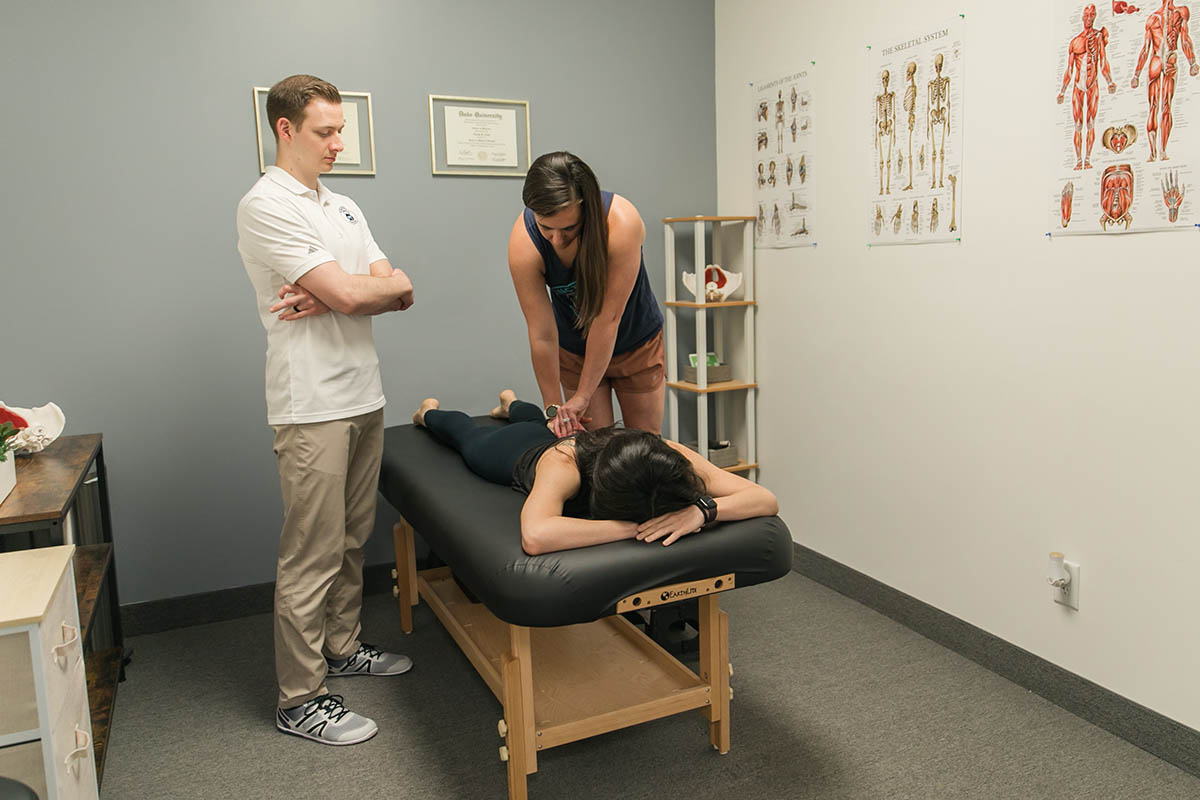
Back pain, which is a major issue for a lot of Australians It is often overlooked by the health and wellness industry. However, it’s a major neck pain (well, it’s actually a little lower in reality) for millions of people, affecting their quality of life and wellbeing. The physiotherapy profession is a reliable solution, providing a variety of treatments to help relieve the pain. This blog will take a deep look at back pain and explore its causes, exploring its anatomy and discussing the significance of physiotherapy techniques, chiropractic treatment and massage therapy for the management of back pain.
We’ll also discuss the importance of making lifestyle changes, including keeping the right weight, regularlyexercisinge and tackling stress. We’ll also explore the advantages of a holistic approach – combining various treatments, and the importance of mental health and diet for controlling back discomfort. We’ll offer a few tips and tricks to avoid back pain, and discuss how to locate the most suitable health professional to treat back discomfort in Sydney.
Understanding Back Pain in the Healthcare and Wellness Sector
The back pain issue is a frequent issue that affects millions of Australians and can result in a decrease in levels of quality of life as well as productivity. In the health and wellness industry, physiotherapy plays an important role in reducing back pain, providing targeted treatment and rehabilitation programs that are specifically tailored to the individual’s situation.
There are a variety of typical reasons for back discomfort that are common in the healthcare and wellness industry, such as ligament sprains, muscle strains, and herniated discs, as well as osteoarthritis, a degenerative condition. These conditions can cause chronic or acute back pain, which can impact the daily routine and general well-being.
Through understanding the effect of back pain in the Australian population, health specialists can work with physiotherapists in developing efficient strategies for treatment, prevention and continual treatment of lower back pain. Through collaboration between doctors, patients and therapists, significant advancement can be made toward the relief of severe or ongoing back discomfort.
The Anatomy of Back Pain: What You Need to Know
Understanding the back’s structure is vital to address back discomfort. The spine, comprised of discs, vertebrae and ligaments, plays a crucial part in supporting your upper back as well as allowing movement. When any of these structures are damaged or injured, that can cause pain and discomfort.
Different kinds of back pain could result from different sources, like the strain of muscles, herniated discs spinal stenosis. Recognising the root cause of a headache is vital to determine which treatment is the best method. In addition, maintaining a healthy posture is essential to prevent and relieve back pain by decreasing strain on the ligaments and muscles supporting the spine.
Understanding how the structure of our backs is related to pain, and by adopting healthy posture, people can take active steps toward taking care of their back health efficiently.
Modern Physio Techniques for Back Pain Relief
Techniques for manual therapy, such as manipulating and mobilising joints, are frequently employed by physiotherapists to treat back discomfort. These techniques that involve the hands help increase the flexibility of the spine as well as reduce the pain. By focusing on specific areas of tension or rigidity, massage therapy may offer significant relief to those suffering from chronic or acute back pain.
Exercise therapy plays a significant part in managing back pain. The physiotherapists usually prescribe specific exercises that target strengthening the muscles that support the spine, increasing flexibility and fixing postural imbalances. By exercising regularly, patients will experience less pain and improved functional abilities.
Electrotherapy treatments such as the TENS (transcutaneous electronic neural stimulation) and ultrasound can be used to relieve back pain. The non-invasive treatment works by delivering specific audio or electrical waves to areas affected that reduce the muscle spasm as well as promote healing. Electrotherapy can be a beneficial complement to physiotherapy treatment plans to ensure optimal results in the management of back pain.
Chiropractic Care for Back Pain: A Closer Look
Chiropractic treatment for back pain is based on the premise that correct alignment of the body’s musculoskeletal system allows the body to recover by itself, without the need for surgery or medication. Chiropractors employ hands-on spinal manipulation as well as other treatments to help align the musculoskeletal system of the body and, in particular, the spine. In doing this, they seek to ease pain and improve performance as well as aid the body’s ability to heal itself.
One of the most important techniques utilised in chiropractic treatment is spinal manipulation or adjustments. The adjustments involve applying the force of the joint of your spine to correct its alignment. The aim is to improve the range of motion, decrease nerve irritation and improve the overall performance. It’s important to know that adjustments to the spine are generally secure when performed by a licensed and trained professional.
Studies have shown that chiropractic treatment is a viable method for alleviating lower back pain and other forms of chronic back pain that are chronic. A lot of patients have experienced relief from their pain after regular chiropractic sessions. Furthermore, studies have concluded that chiropractic care may be more affordable than conventional medical treatments for certain kinds of back pain.
The Role of Massage Therapy in Back Pain Management
Massage therapy plays an important part in the treatment of back pain, particularly chronic lower back pain as well as back pain. Therapists utilise various techniques, including Swedish massage, deep tissue massage, or trigger point therapies, to focus on particular locations that are causing discomfort. These techniques aid in releasing tension, enhancing blood flow, and encouraging relaxation, which is essential to relieve back discomfort.
Alongside providing immediate relief of muscle soreness and stiffness, massage therapy can also help complement other methods for treating back discomfort. When coupled with physical therapy and chiropractic adjustment, frequent massage sessions can improve the efficiency of a treatment. The holistic approach of massaging addresses physical and mental aspects of managing back pain.
Regular massage sessions can provide numerous benefits to those suffering from chronic or severe back discomfort. Apart from easing muscle tension and encouraging better posture, it can increase sleep quality and lower stress levels. When regular massages are incorporated into their daily routine, people who suffer from chronic back pain may be relieved in the long term and enjoy a better quality.
The Importance of Lifestyle Changes in Back Pain Management
A healthy weight is vital to managing back discomfort. Being overweight can cause stress on the spinal column, which can lead to discomfort and an increase in symptoms. If you maintain an appropriate weight with proper nutrition and exercise, people are able to lessen the strain on your back and help prevent any further problems.
Physical activity plays an important role in the prevention of back discomfort. Regular physical activity will strengthen muscles that support the spine, enhancing overall stability and reducing the likelihood of injuries. Furthermore, exercises like stretching and strengthening the core can help relieve back pain by improving flexibility and encouraging better posture.
Strategies for managing stress are essential for relieving back discomfort. Chronic stress can lead to tension in muscles and can cause back issues. Engaging in relaxation techniques like deep breathing, meditation, or yoga can help relieve both emotional and physical stressors that can affect the back health of a person.
Overcoming Back Pain: A Holistic Approach
For effective treatment of back pain, a multi-disciplinary approach that incorporates chiropractic, physiotherapy,y along massage therapy has demonstrated remarkable results in bringing relief to those suffering. By focusing on the source of pain with manipulative exercises, manual manipulation, along soft tissue treatment, this combination approach seeks to reduce discomfort and increase mobility.
Alongside physical therapy as well as mental health, mental health is a key factor in the management of back pain. Depression, stress and anxiety can cause the symptoms associated with lower back discomfort, or ongoing back discomfort. Thus, the practice of mindfulness, such as meditation or seeking help from a therapist, could help in reducing the psychological tension related to the condition.
Additionally, a balanced diet is crucial to support general health and encourage healing. Foods that are rich in anti-inflammatory compounds, like vegetables, fruit, along omega-3 fatty acids, can be beneficial in reducing the severity of back pain. In addition, staying hydrated can help to keep the discs of your spine flexible and supportive, which aids in avoiding further tension over the spine.
Preventing Back Pain: Tips and Tricks
It’s crucial to use the correct body mechanics for your daily routine to avoid back discomfort. This means maintaining a good posture, lifting large objects using your legs, not using your spine, and not bending or twisting at the hips when you lift. Also, it is important to pay attention to the way you stand, sit and move through your day to minimise stress to your lower back.
Ergonomics in the workplace can play an important role in the prevention of back discomfort. Be sure your workstation is properly set up, with a comfortable chair that is able to provide sufficient comfort for the lower back. Set the desk’s height as well as the screen to ensure good posture. Take regularly scheduled breaks to stretch and move when you are working a sedentary job.
Implementing exercises to strengthen the muscles in your back could aid in preventing injury and pain. Make sure you are doing exercises that focus on the muscles in the core as in addition to those specifically made to build strength in your lower back. Regular physical exercise like swimming, walking or yoga could help improve overall spinal health and lower the chance of suffering from chronic or severe back pain.
Finding the Right Healthcare Professional for Back Pain in Sydney
In order to relieve back pain, it’s essential to choose the right health professional who can provide an effective treatment. In Sydney, there are many options to choose from, such as chiropractors, physiotherapists, as well as massage therapists. It is important to take into consideration your individual needs and preferences before choosing the right healthcare professional to treat back discomfort.
In order to locate the best medical professional to treat lower back discomfort in Sydney,y it is essential to consider qualifications and previous experience. Choose a practitioner with the necessary knowledge of musculoskeletal conditions and who has demonstrated results in dealing with back issues. Also, you can seek advice from trusted sources like friends or family members, as well as other health specialists.
The healthcare and wellness industry in Sydney isn’t easy with the many options to choose from. It is important to study various healthcare providers and their strategies to treat back discomfort. Finding a professional in healthcare who is not just able to provide efficient treatment, but is also able to make you feel relaxed throughout the procedure is essential to managing your pain.
We are Activ Therapy, we’re dedicated to making sure you feel at your optimal. Our office is conveniently located in WinLiverpool, Casula, Moorebank, and other Sydney locations. We provide top-quality physiotherapy, chiro massage, and other services. Our expert team of therapists is ready to assist you on your way to wellness. No matter if you’re dealing with an injury from sports, struggling with an ongoing pain issue, or looking for a great massage, we’ve got you covered. Try Activ Therapy a go and experience the difference that holistic therapy can bring!
Frequently Asked Questions
1. What’s the role of physiotherapy techniques to ease back discomfort?
The physiotherapy methods can play an important role in relieving back discomfort. They aid in restoring movement and function in people who are injured, sick or have disabilities. Through manual therapy, exercises and education, patients can ease the pain and avoid illness.
2. Are physiotherapy techniques a solution to chronic back discomfort?
Absolutely, mmateChronic check pain can be extremely debilitating; however, physio techniques can give you substantial relief. Techniques like stretching exercises, strengthening exercises and pain-relieving exercises can aid in managing the symptoms of back pain, and also improve your quality of life.
3. Are there specific physiotherapies to treat lower back discomfort?
Yes, there are. The lower back pain is usually addressed using a combination of physiotherapies, such as manual therapy, in which a physical therapist manipulates joints with hands-on techniques and mobility exercises that can aid in restoring normal function and mobility.
4. Do I need to keep up with the physio exercises even after my back pain has subsided?
Thank you for contacting us! Although the pain may have been reduced, it’s advised to keep doing the exercises to keep your health in good shape and to prevent recurrences of back discomfort. However, every individual’s circumstance is different, so it’s recommended to discuss the situation with your physiotherapist.
5. What are some simple physical exercises I can try at home to relieve back hurt?
There are a variety of physio methods that you can practice at home, including easy stretching, exercises fostering strengthening, such as the bridge posture, as well as maintaining an upright posture. But it’s best to consult a physiotherapist before starting any exercise program.