
A bright smile is often the first thing people notice. If you aren’t confident, smiling can make you look dull. Proper oral hygiene is more than just cosmetics; it’s a critical part of your overall health and well-being. Neglecting your teeth and gums can lead to common issues like cavities and gum disease, which have been linked to broader systemic health concerns.
By understanding the best techniques for brushing, flossing, and making healthy dietary choices, you can effectively prevent dental problems and maintain a healthy, bright smile for life. This article provides essential, easy-to-follow tips to help you build a good oral hygiene daily routine.
Why Oral Hygiene is Important
Oral hygiene is a habit of keeping your mouth, teeth, and gums clean and healthy. It allows you to prevent tooth decay, gum disease, bad breath, and tooth loss. It involves a daily routine of brushing and flossing, with regular visits to the dentist.
Oral health is a window to our body’s health, so it is important to maintain it and keep it healthy. Proper routine can help control bacteria in the mouth, which can spread in the body. Poor oral health can lead to serious conditions, such as heart disease, diabetes, respiratory illness, and complications during pregnancy. The following signs indicate poor oral health:
Tips for Good Oral Hygiene
The following tips, if followed properly, can help to maintain good oral hygiene:
1. Brushing
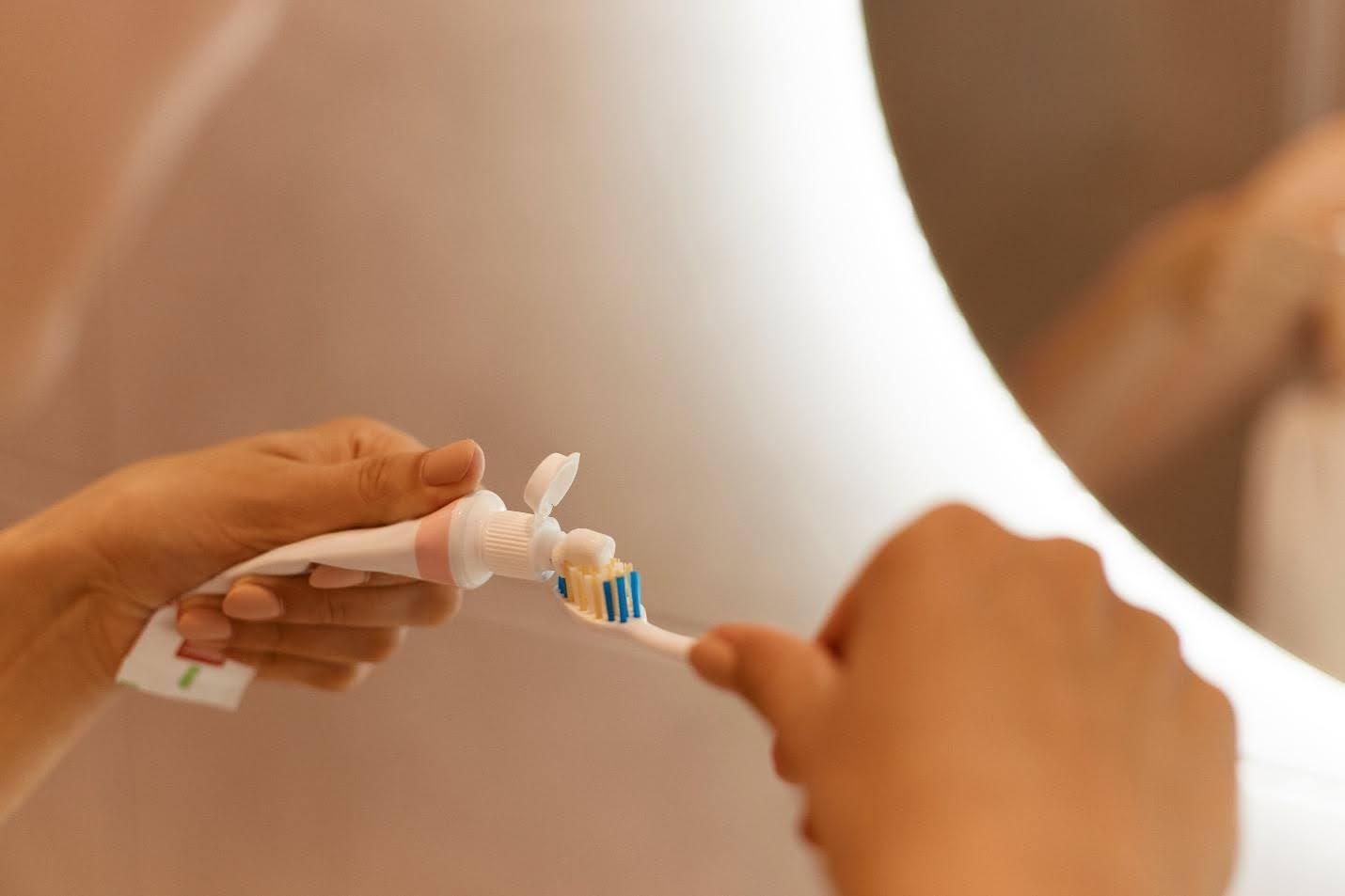
One of the most important tips is to brush after every meal. It will help to remove food particles that might build up and cause a cavity. The toothbrush can become contaminated with bacteria if you use it for a long time. Keep your brush in a ventilated place and protect it from dirt. Change the brush every 3 months or when the bristles become soft.
2. Toothpaste and Mouthwash
For oral hygiene, the choice of toothpaste is very important. Use dioxibrite toothpaste, a fluoride-free toothpaste, to avoid potential health issues like dental fluorosis in children. Fluoride-free alternatives provide a safe option to maintain oral hygiene without adverse reactions.
Mouthwash is also a good option if brushing after every meal isn’t possible. It allows us to remove food particles and bacteria left in the mouth.
3. Dental Floss
Dental floss helps to access the small spaces between the teeth where brush bristles can’t reach. Use floss to remove food and plaque between your teeth.
4. Healthy Habits and Diet
Limit sugary foods and drinks: Bacteria in your mouth convert sugar into acid, which can erode tooth enamel and lead to cavities.
Eat a balanced diet: A diet rich in fruits, vegetables, and dairy products provides the necessary vitamins and minerals (like calcium and phosphorus) for strong teeth and healthy gums.
Stay hydrated: Drink plenty of water throughout the day. Water helps wash away food particles and neutralize harmful acids, especially if it contains fluoride.
5. Dental Visits
Last but not least, dental visits are crucial because sometimes some mouth issues aren’t visible to the eye and need expert care. Schedule professional dental check-ups and cleanings, typically every six months.